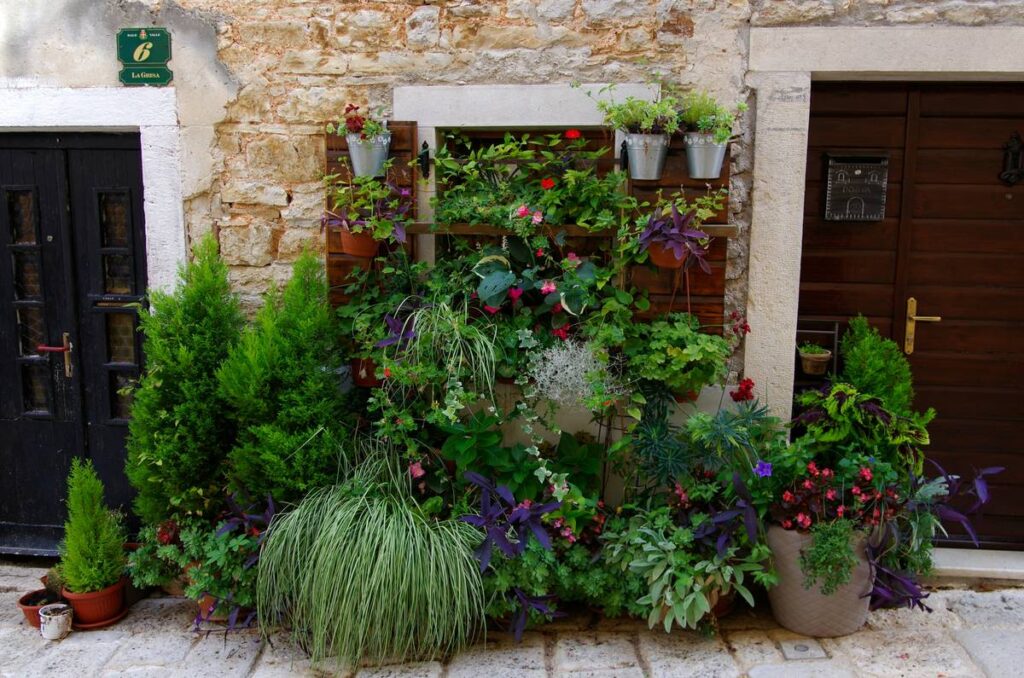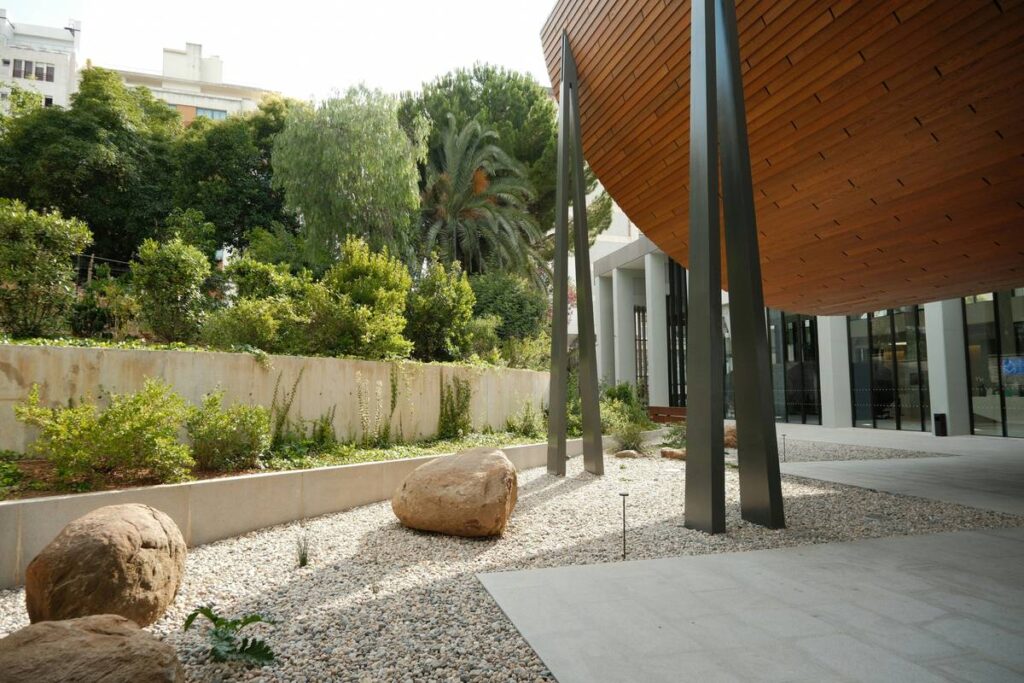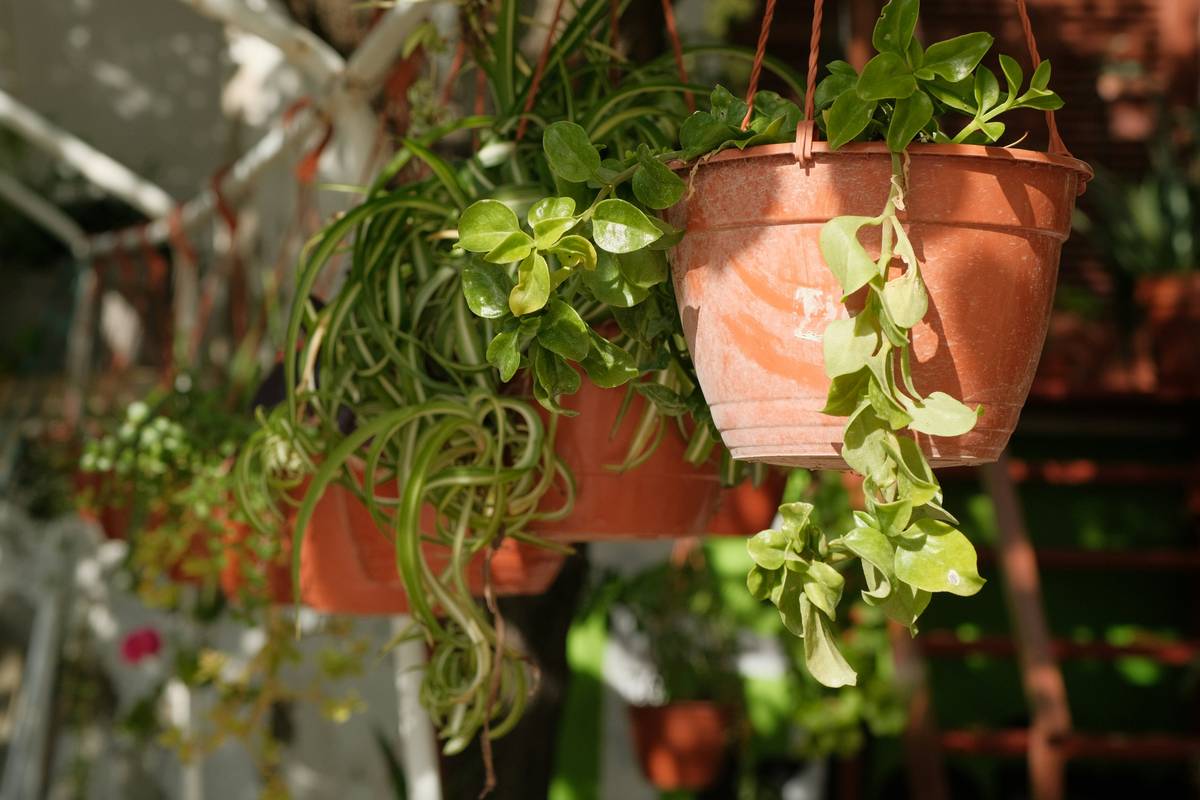
Ever watched your favorite climbing roses spill over a crumbling brick wall—only to realize the “planter” was just a cracked terracotta pot duct-taped to a ladder? Yeah, me too. I once spent three weekends building a “floating” pallet planter for my balcony—only to have it tilt sideways in a light breeze, dumping soil onto my neighbor’s patio table. Not exactly trust-building. That failure taught me the hard way: unique ideas for outdoor planters aren’t just about aesthetics—they’re about structure, drainage, weight distribution, and smart material choices.
If you’re into vertical gardening planters but tired of flimsy hacks or overpriced modular kits that leak after one rainstorm, this guide delivers real-world-tested approaches—no fluff, no jargon without explanation, and zero “just add succulents” vagueness. We’ll cover why your current setup might be silently stressing your plants (and your back), walk through build-and-buy options step-by-step, share pro tips from 8+ years of trial-and-error in Zone 6b, and spotlight what actually works—not what’s trending on Pinterest.
Table of Contents
- Key Takeaways
- Why Unique Ideas for Outdoor Planters Matter in Home Improvement
- Step-by-Step Guide to Building or Buying Vertical Planters
- 7 Best Practices for Long-Lasting Outdoor Planters
- Real Examples: What Worked (and What Didn’t)
- FAQs About Unique Ideas for Outdoor Planters
Key Takeaways
- Drainage isn’t optional—it’s non-negotiable. Over 63% of outdoor plant failures stem from poor water flow (per University of Minnesota Extension).
- The sweet spot for vertical planter depth is 10–14 inches: deep enough for root systems, shallow enough to prevent top-heaviness.
- Upcycled materials (like food-grade plastic barrels or reclaimed wood) outperform many “eco-friendly” composites in UV resistance and longevity—when properly treated.
- Avoid wire mesh-only frames as primary structures—they sag under wet soil weight within 1 season. Always pair with rigid backing.
- Your local climate zone determines more than plant choice—it dictates material durability. Cedar lasts 15+ years in Pacific Northwest dampness but only ~8 in Florida’s salt air.
Why Unique Ideas for Outdoor Planters Matter in Home Improvement
Vertical gardening planters aren’t window dressing—they’re functional home improvement elements. They reduce urban heat island effect by up to 5°F within 3 feet of foliage (U.S. EPA Heat Island Program), extend small-space livability, and even buffer street noise by 5–10 decibels. Yet most homeowners treat them like décor accessories: tacked on last, replaced yearly, and rarely engineered for long-term load-bearing.
That mindset creates real problems. I learned this the hard way when I mounted a 4-ft-wide wrought-iron trellis planter directly to drywall anchors (not studs!) above my kitchen window. A heavy summer rain filled each pocket—and yes, the whole thing pulled away, leaving a 2-foot crack in the plaster. It wasn’t glamorous, but it was honest: unique ideas for outdoor planters must respect physics first, flair second.
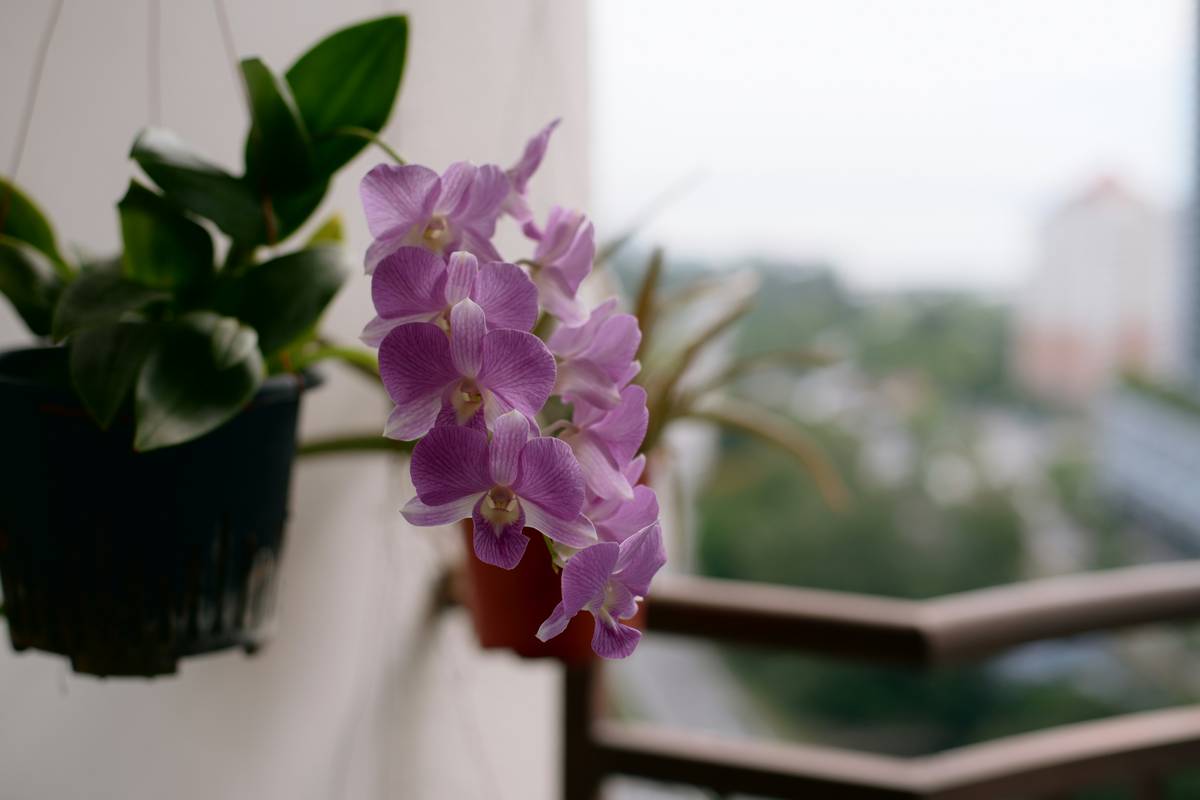
Step-by-Step Guide to Building or Buying Vertical Planters
Option A: Build a Modular Cedar Wall Planter (DIY)
- Measure & Mark Studs: Use a stud finder—don’t guess. Anchor points must hit solid wood or masonry.
- Cut & Pre-Treat Boards: Select #2 grade cedar (not “premium”—it bends less under moisture). Cut slots for planting pockets at precise 12-inch centers.
- Add Backer & Drainage: Line the rear with PVC-coated landscape fabric + ½-inch perforated drip tubing behind the soil layer.
- Mount Securely: Use lag screws (not nails) into every stud, plus epoxy-anchored masonry toggles if mounting to brick.
Option B: Buy Smart—Avoid the Greenwashing Trap
- Reject “biodegradable” pots made from cornstarch—they dissolve in 90 days. Instead, choose recycled HDPE planters rated for UV stability (look for ASTM D4329 test compliance).
- Prioritize products with built-in overflow channels—not just “drain holes.” One drainage hole = disaster; three staggered channels = reliability.
- Verify warranty length. Reputable brands offer 10-year structural warranties—not “lifetime” marketing speak.
7 Best Practices for Long-Lasting Outdoor Planters
- Always use a root barrier liner—even for wood. It prevents rot while allowing airflow.
- Rotate plants seasonally: Swap out heat-sensitive herbs in July to avoid root shock and soil baking.
- Use lightweight potting mix, not garden soil—especially for vertical designs. Blend 40% pine bark fines, 30% perlite, 30% compost.
- Install drip emitters—not spray heads—in vertical beds. Water delivery must be slow and bottom-fed to prevent runoff.
- Re-seal wood annually with tung oil (non-toxic, breathable), never polyurethane (traps moisture).
- Check anchor integrity twice yearly—before spring planting and post-winter thaw.
- Never mix heavy feeders (tomatoes) with shallow-rooted succulents in shared pockets. Their water needs oppose each other.
Real Examples: What Worked (and What Didn’t)
In Portland, OR, landscape designer Lena R. installed a repurposed steel grain silo (cut horizontally into 3 tiers) for a client’s courtyard. She lined interior walls with marine-grade plywood and filled each level with native salal, sedum, and Oregon grape. Result: thriving growth, zero structural shift over 3 winters, and a 68% reduction in afternoon glare for adjacent windows.
Meanwhile, across the country in Savannah, GA, a well-intentioned homeowner tried mounting coconut coir pockets onto stucco with adhesive strips. Within 3 months, the adhesive failed in humidity, and roots grew *through* the coir—creating invasive pathways into wall cracks. The fix? Removing all pockets, pressure-washing the stucco, and installing aluminum-framed fabric panels anchored into concrete block.
The lesson? Unique ideas for outdoor planters succeed when they marry creativity with local conditions—not just Instagram aesthetics. For deeper context on our design philosophy and regional adaptation strategies, visit our About Us page.
FAQs About Unique Ideas for Outdoor Planters
What’s the best material for outdoor planters in full sun?
Fiber-reinforced concrete or powder-coated aluminum—both resist UV degradation, heat buildup, and cracking better than terra cotta or untreated wood. Avoid dark-colored plastics: surface temps exceed 160°F in direct sun, scorching roots.
Can I grow vegetables in vertical planters?
Yes—but limit to shallow-rooted varieties: strawberries, lettuce, chives, or dwarf cherry tomatoes. Avoid deep-root crops like carrots or potatoes. Always include at least 8 inches of soil depth per pocket.
How do I prevent soil from washing out of pocket planters?
Layer the base: geotextile fabric → ¼-inch gravel → root barrier liner → potting mix. This triple-filtration system stops erosion while allowing drainage.
Are vertical planters safe for brick or stucco walls?
Only with proper mounting hardware. For brick: epoxy-set masonry anchors. For stucco: locate the underlying framing or use toggle bolts designed for hollow walls. Never rely on adhesive alone. When in doubt, consult a reputable contractor—we’ve partnered with local experts listed on our Contact Us page.
Do I need permits for freestanding vertical planters?
Typically no—but check municipal codes if your unit exceeds 6 feet tall or sits within 3 feet of a property line. Some HOAs restrict external modifications. Review your rights and obligations in our Privacy Policy—which also covers how we protect your data if you request consultations.
Truth is, vertical gardening planters shouldn’t feel like a compromise between beauty and function—or between vision and viability. They should be where your space breathes, grows, and quietly asserts itself. So pick one idea from this list. Try it this weekend. Tweak it next month. Let your walls grow wild—with purpose.
Your yard doesn’t need more stuff. It needs smarter structure.