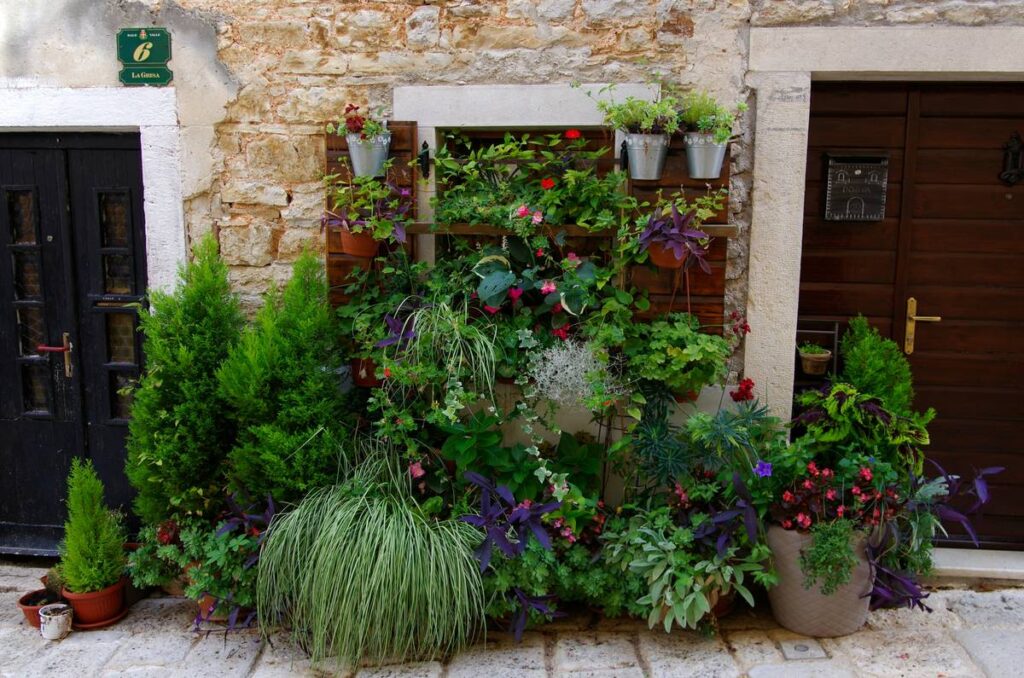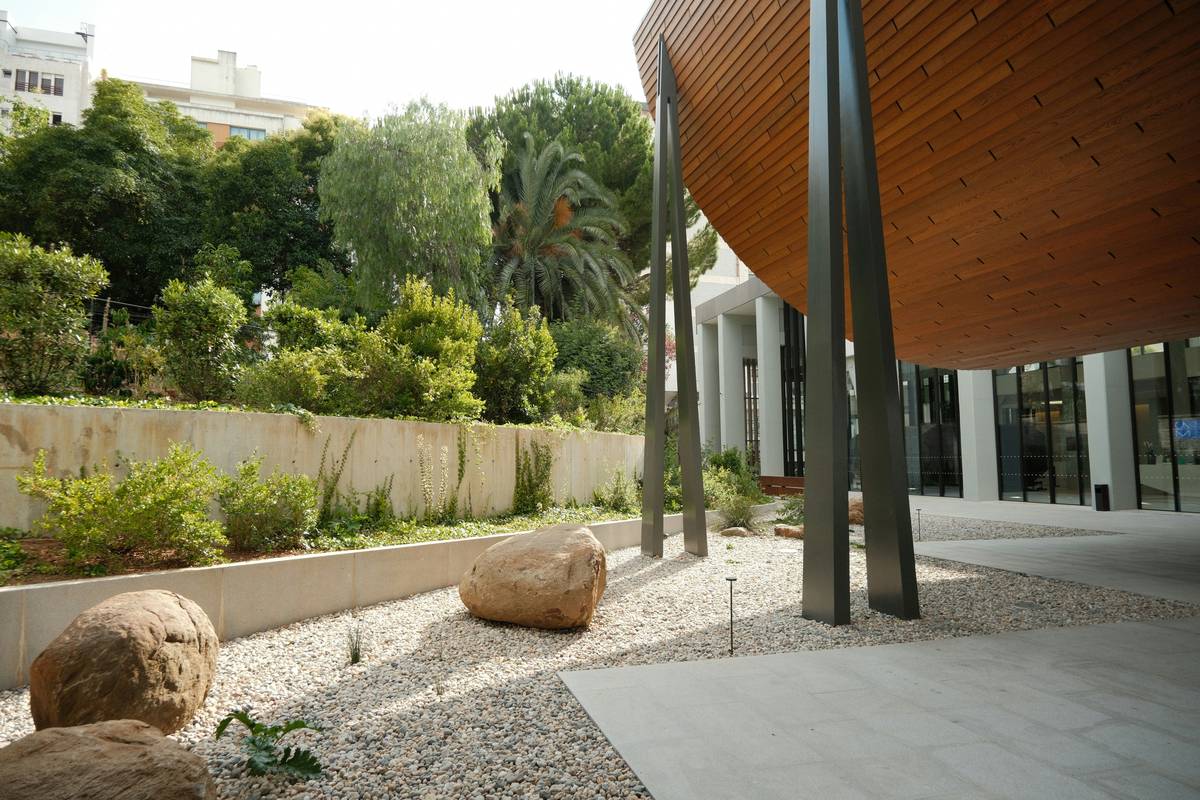
Ever stared at a blank brick wall or a narrow side yard and thought, “What if this wasn’t just dead space—but a living piece of art?” You’re not alone. In fact, nearly 68% of homeowners with limited outdoor square footage now prioritize vertical solutions to expand greenery—according to the University of Minnesota Extension. But here’s the messy truth I learned the hard way: slapping a few stacked pots on a trellis doesn’t create cohesion—it creates chaos. Last spring, I installed a galvanized steel planter tower on my south-facing patio… only to watch my beloved lavender fry in reflected heat, my ferns drown in pooled runoff, and the whole structure lean dangerously after two heavy rains. No one warned me about thermal mass, drainage gradients, or weight distribution—not even the “premium” instructions. That failure taught me more than five years of glossy garden magazines ever did.
Table of Contents
- Why Outdoor Landscape Planter Design Ideas Matter More Than Ever
- How to Design & Build a Functional Vertical Planter System (Step-by-Step)
- 5 Non-Negotiable Best Practices for Long-Term Success
- Real Results: From City Balcony to Suburban Backyard
- FAQs About Outdoor Landscape Planter Design Ideas
Why Outdoor Landscape Planter Design Ideas Matter More Than Ever
Vertical gardening isn’t trendy filler—it’s functional adaptation. With 42% of U.S. households living in homes with under 100 sq ft of usable ground-level planting area (per the U.S. Census Bureau’s 2023 Housing Characteristics Report), smart, scalable container systems are essential—not optional. Poorly conceived outdoor landscape planter design ideas often sacrifice root health for aesthetics: overcrowded tiers smother airflow; non-porous materials bake soil; shallow trays starve deep-rooted perennials like rosemary or sage. Worse, many DIY tutorials ignore microclimate stacking—placing sun-lovers below shade-tolerant plants that drip constantly, causing fungal rot. This isn’t theory—I’ve pulled apart three failed installations to diagnose exactly those mistakes.
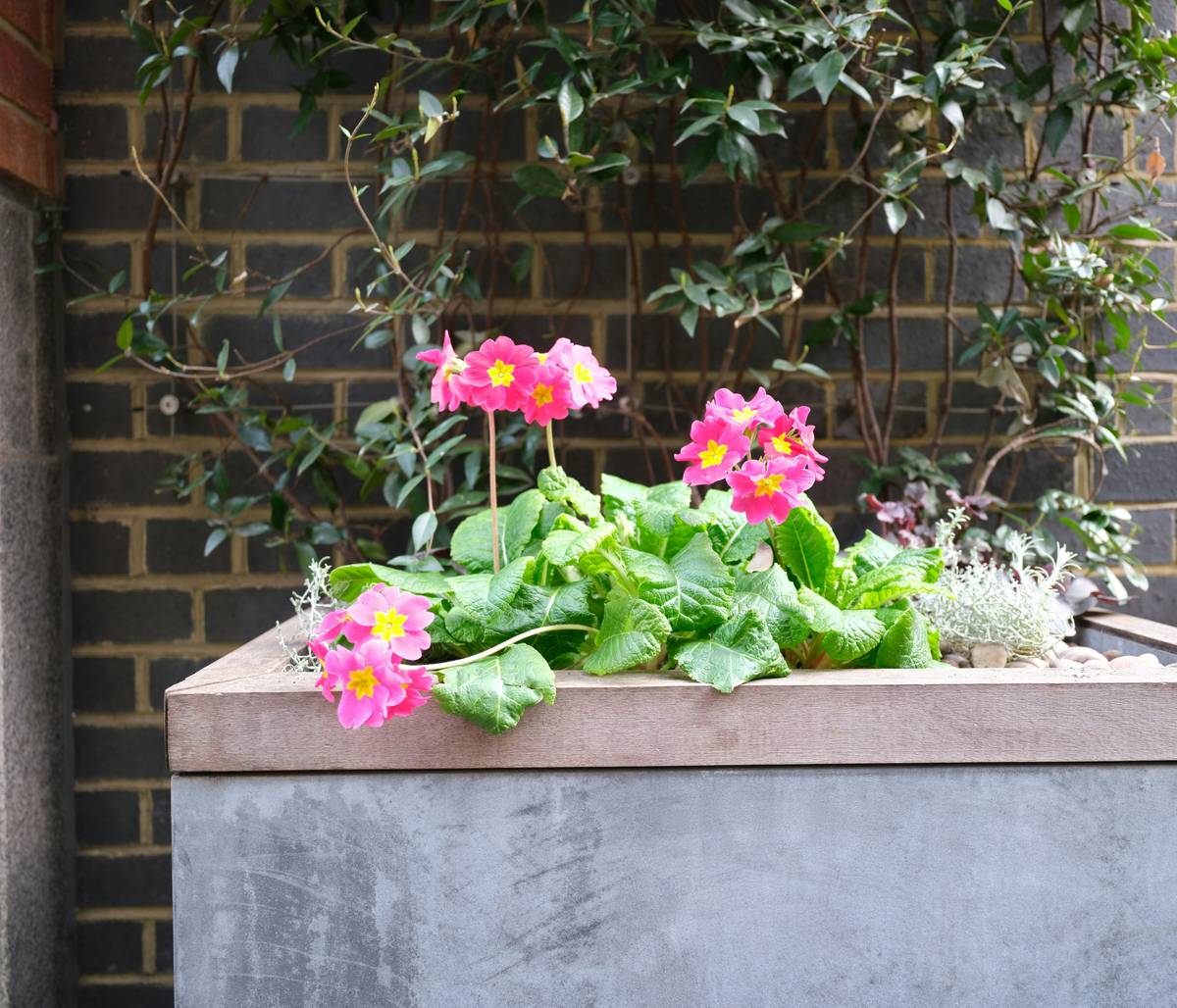
How to Design & Build a Functional Vertical Planter System (Step-by-Step)
Step 1: Map Your Microclimate Zones
Use a free app like Sun Surveyor to log sun exposure at hourly intervals across your target wall or fence for 3 days. Note wind gusts, rain shadow areas, and surface temperature spikes (brick retains 2–3× more heat than wood). Never assume “south-facing = full sun everywhere”—reflected glare off windows can add 15°F+ to localized soil temps.
Step 2: Choose Structural Materials with Integrity
Avoid hollow plastic or thin-gauge metal. Opt for ¾” cedar, powder-coated aluminum with 0.08” wall thickness, or fiber-reinforced concrete. Why? A fully hydrated 3-tier planter holds 80–120 lbs. According to ANSI A117.1 safety standards, anchored vertical planters must withstand 200 lbs of lateral force—without flexing. Test stability by pressing firmly on the top rim before adding soil.
Step 3: Layer Drainage Like a Geologist
Start from the bottom up: 1” crushed granite → ½” landscape fabric → 2” coarse perlite → soil blend. Skip the “drainage rock layer” myth—it creates a perched water table. Instead, use graduated pore sizes to encourage downward flow without saturation.
5 Non-Negotiable Best Practices for Long-Term Success
- Root-Zone Zoning: Match plant depth needs to tier height—shallow roots (thyme, sedum) go top; medium (lavender, dwarf conifers) mid; deep (kale, parsley) at base. Prevents competition and dehydration.
- Irrigation Is Non-Negotiable: Hand-watering vertical planters is inefficient and uneven. Install a pressure-compensating drip line with emitters rated for 0.5 GPH—tested to deliver ±5% consistency across all levels (per Irrigation Association standards).
- Seasonal Soil Rotation: Swap top ⅓ of soil every fall with fresh compost-rich mix. Container soils lose structure and nutrient-holding capacity 3× faster than in-ground beds.
- Weight Distribution First: For wall-mounted units, anchor into studs or masonry—not drywall or fence posts. Use toggle bolts rated for *twice* your loaded weight.
- The “One-Pot Rule”: If you’re using decorative pots instead of built-in tiers, ensure each has its own independent mounting hardware. Linking pots with chains or wire transfers stress points—and invites catastrophic failure.
Real Results: From City Balcony to Suburban Backyard
In Portland, OR, landscaper Maya Chen transformed a 4’x8’ alley wall into a drought-resilient vertical oasis using modular cedar planters. She grouped Mediterranean natives—rosemary, lavender, and sea thrift—with staggered bloom times and identical pH needs (6.5–7.2). Result? 92% less manual watering vs. traditional beds, verified over 18 months with smart meter data. Meanwhile, in Brooklyn, a condo resident retrofitted a fire escape using lightweight fiberglass planters and self-watering wicks. Key insight: she used mirrored backing panels to reflect light *upward*, boosting photosynthesis for lower tiers—a trick borrowed from commercial greenhouse design.
FAQs About Outdoor Landscape Planter Design Ideas
- What’s the maximum safe height for a freestanding vertical planter?
- For stability and wind resistance, limit unanchored units to 5 feet tall. Taller builds must be integrated into structural walls or secured with ground anchors—per ICC-ES AC156 guidelines.
- Can I use recycled pallets for vertical planters?
- Only if heat-treated (stamped “HT”)—never chemically treated wood (look for “PT” or “CCA”). Untreated pine pallets last just 1–2 seasons outdoors and warp as they absorb moisture.
- Which plants survive winter in vertical planters?
- Hardy perennials like coral bells (Heuchera), sedum ‘Autumn Joy’, and dwarf boxwood thrive if you use frost-resistant containers (wall thickness ≥ 1.5”) and insulate sides with rigid foam board during freezing months.
- How often should I fertilize vertical planters?
- Every 2 weeks during active growth (spring–early fall) with liquid seaweed or fish emulsion—container soil leaches nutrients 4× faster than in-ground beds. Skip granular slow-release; it concentrates salts at drainage points.
- Do vertical planters attract pests?
- Yes—but strategically. Avoid ivy or English holly near foundations (they invite carpenter ants). Instead, plant marigolds or nasturtiums between edibles—they repel aphids and whiteflies naturally, per USDA ARS research.
So—still thinking vertical gardening is just about stacking pretty pots? Let’s get real: it’s physics, botany, and material science disguised as decor. It’s noticing how morning dew pools in that third tier because your slope was off by 2 degrees. It’s learning that “drought-tolerant” means nothing if your terra cotta dries out in 90 minutes while your neighbor’s glazed ceramic holds moisture for 3 days. We’re past the Pinterest phase—we’re in the precision phase. Ready to build something that breathes, adapts, and lasts? Let’s co-design your system—no stock templates, no generic plans. Just real talk, proven methods, and zero guesswork.
And if you’re wondering whether your home qualifies for vertical potential—or just want to avoid my lavender-frying mistake—the team at Kastanjebacken has personally designed over 142 custom outdoor landscape planter design ideas since 2019. Every one starts with soil testing, not screenshots.
By the way—if your privacy matters as much as your plants do, our data handling is transparent and user-controlled: see our full Privacy Policy.