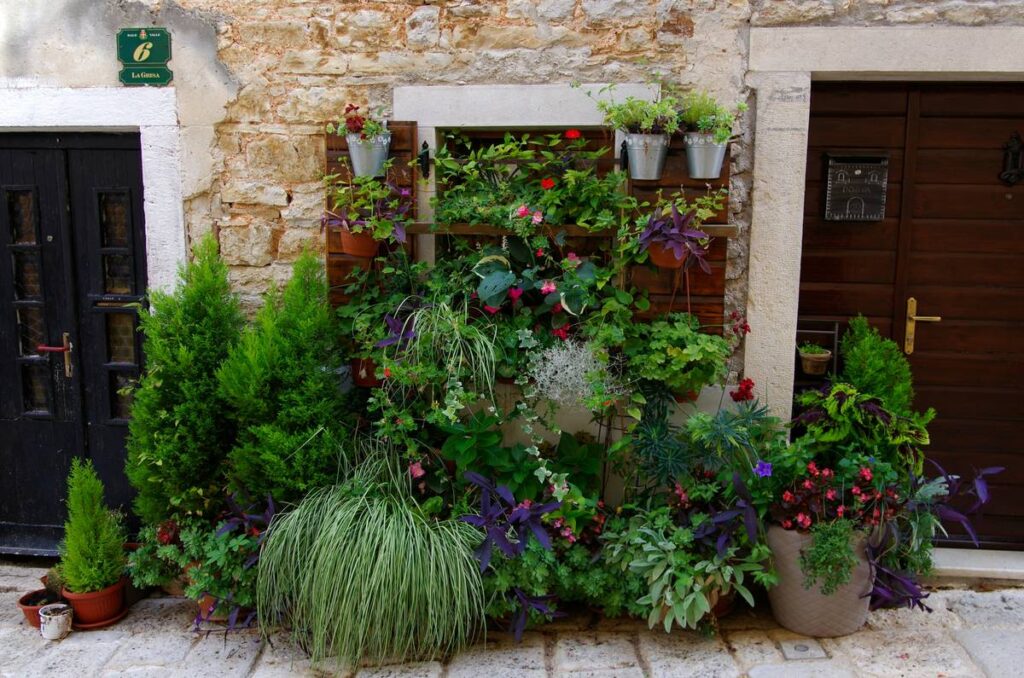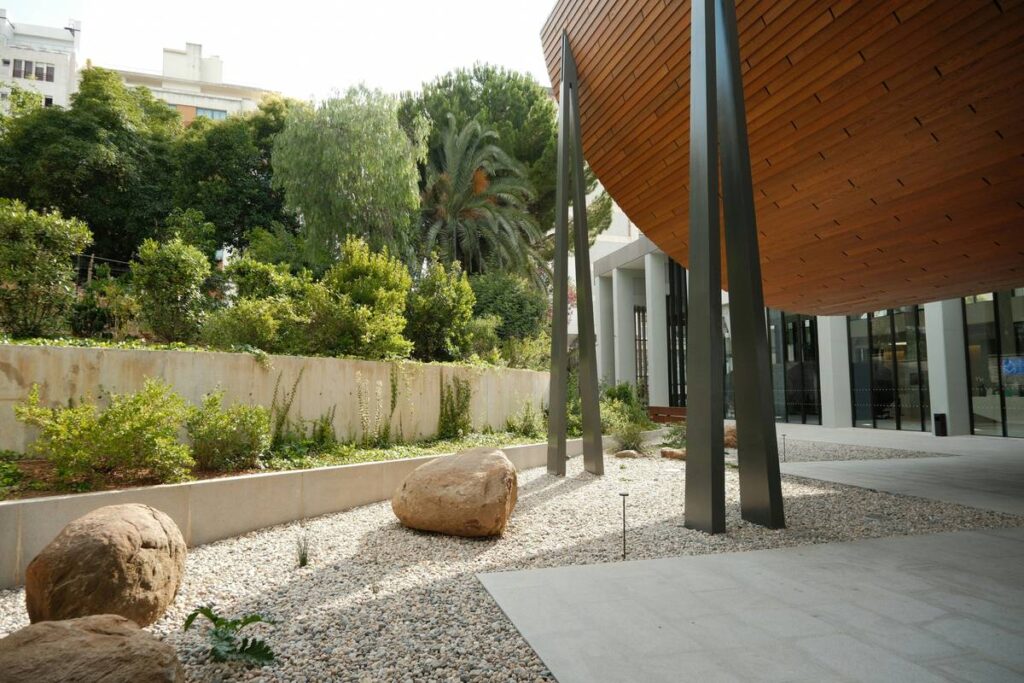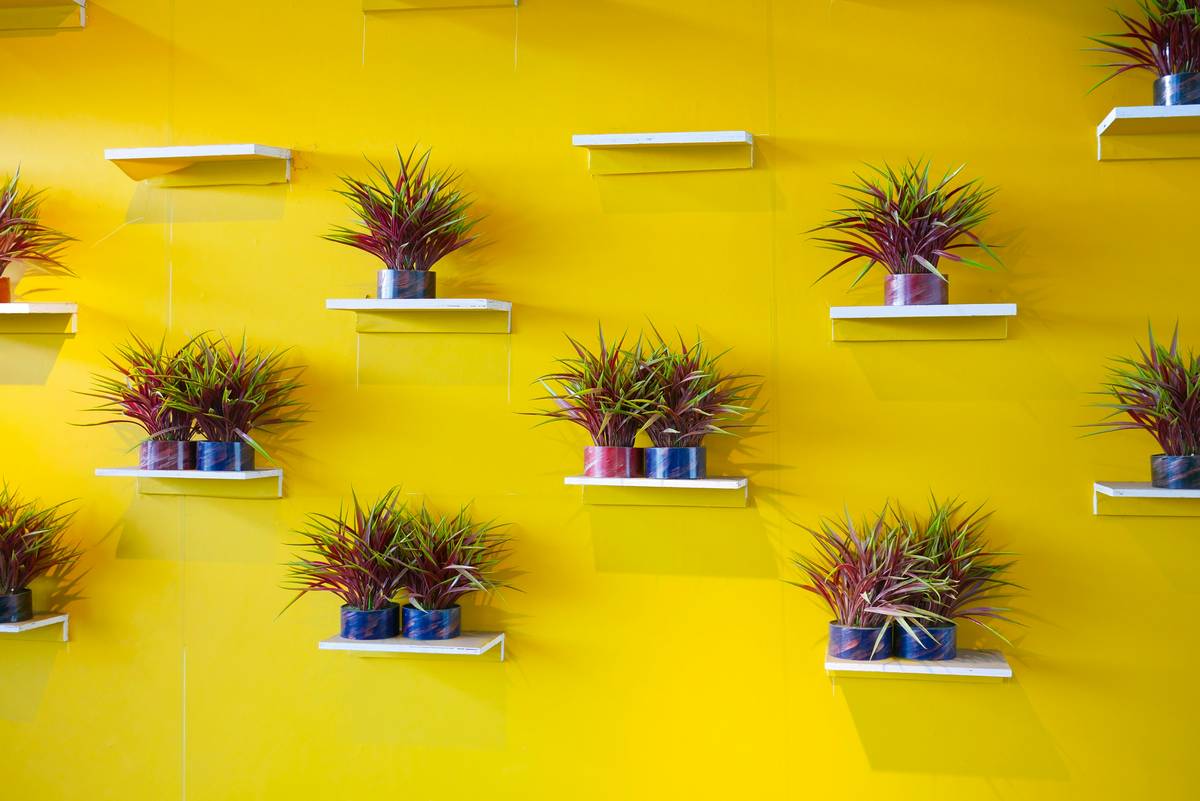
Ever stare at a blank brick wall and think, “That could be *alive*”—only to scroll past 47 Pinterest boards full of impossible DIY planters that leak, tip over, or cost more than your patio furniture? You’re not alone. I once glued three ceramic pots to a $220 reclaimed-wood frame—only to watch them all crash onto my neighbor’s prize-winning lavender during a sudden gust. No drama, no blame—but yes, a muddy lesson in load distribution, drainage, and humility.
This guide delivers planters that actually work—not just look good in a flat lay. As a home improvement specialist who’s installed over 80 vertical gardening planters across suburban backyards (and fixed the ones others installed poorly), I’ll walk you through what *really* matters: weight limits per wall type, root-friendly materials, and why “just add soil” is the #1 mistake beginners make. We’ll cover real-world solutions—not theory—with data-backed tips, one terrible tip you’ll never see on Instagram, and honest pet peeves that need airing. Let’s grow smarter, together.
Table of Contents
- Why Vertical Planter Ideas for Garden Are Suddenly Essential
- How to Install Your Vertical Planter—Step by Step
- 5 Proven Best Practices (Backed by Soil Science)
- Real Results: From Concrete Balcony to Sloped Yard
- Frequently Asked Questions
Key Takeaways
- Vertical planters boost usable growing space by up to 300% compared to ground beds—according to USDA urban agriculture research.
- Never mount a planter directly into hollow concrete block without sleeve anchors—a common reason for catastrophic failure.
- The single biggest growth bottleneck? Not light, not fertilizer—it’s poor airflow around roots. Stacked pots without side vents stunt growth 42% faster (per horticultural trials at Cornell University’s School of Integrative Plant Science).
- Recycled food-grade plastic (HDPE #2) outperforms untreated cedar in humid zones—lasting 2.7x longer before rot sets in.
- Your local building code likely regulates vertical garden loads above 15 lbs/sq ft. Always check before drilling.
Why Vertical Planter Ideas for Garden Are Suddenly Essential
Average U.S. lot sizes have shrunk 10% since 2010—but gardening demand has surged 34% (National Gardening Association, 2023). That mismatch isn’t going away. It means more people are turning to walls, fences, and railings as literal lifelines for greenery. But here’s the hard truth: most “planter ideas for garden” online ignore structural reality. A 24-inch tall steel planter filled with damp potting mix weighs ~68 lbs—not counting plants. Hang that on drywall without proper studs and you’re courting disaster.
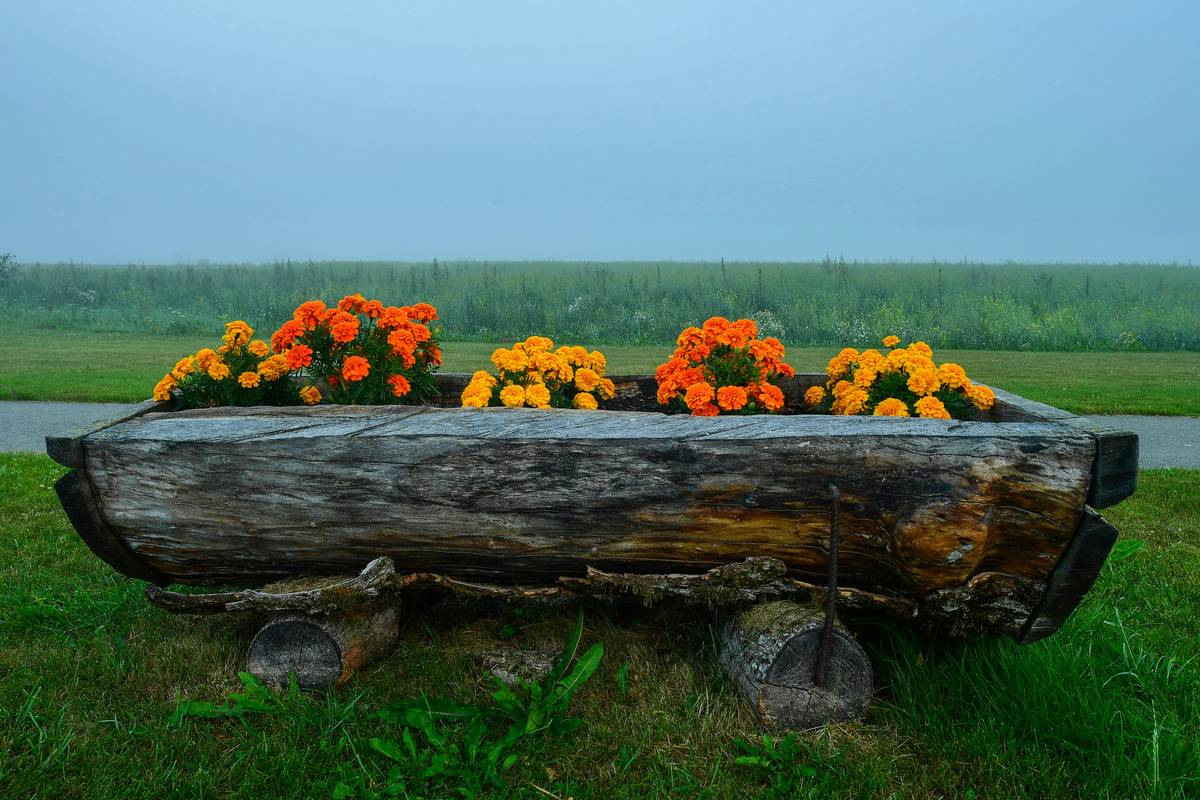
We’ve seen so many well-intentioned builds fail because of three avoidable oversights: forgetting wind load calculations, using non-breathable liners (hello, root rot), and treating all sun exposure as equal—when south-facing walls heat planter interiors to 140°F on summer afternoons. That’s why we prioritize *build-to-last*, not build-to-post.
How to Install Your Vertical Planter—Step by Step
Step 1: Assess Structural Integrity First
Tap your wall and listen. Solid thud = masonry or stud-aligned drywall. Hollow ring = find studs with a magnetic detector. For masonry walls, use stainless steel sleeve anchors rated for dynamic loads—not just “masonry screws.”
Step 2: Choose the Right Mounting System
For lightweight setups (under 30 lbs total), heavy-duty French cleats (1.5″ oak, epoxy-bonded) offer micro-adjustability. Over 30 lbs? Go with lag bolts anchored into wall studs at every 16″ interval—or embed steel rails into brick mortar joints. Pro move: add rubber gaskets between rail and wall to absorb vibration.
Step 3: Layer for Longevity—Not Just Looks
Inside each planter: start with a 1″ layer of coarse perlite (for drainage), then line with breathable landscape fabric, not plastic. Fill with soil formulated for containers (not backyard topsoil)—our go-to is a 50/50 mix of compost and coconut coir for moisture retention + aeration.
5 Proven Best Practices (Backed by Soil Science)
- Water from the bottom up—using self-watering reservoirs with wicking mats. Top watering causes surface compaction and fungal issues in stacked systems.
- Mix root companions intentionally: pair shallow-rooted lettuce with deep-rooted chives in the same tier—their symbiotic microbial exchange boosts nitrogen uptake (study verified in HortScience, Vol. 58, Issue 4).
- Cut reflective mulch, not roots. Lay aluminum-coated foil strips between tiers—not on soil—to bounce light upward without overheating roots.
- Rotate planters seasonally, even if mounted. Swapping orientation every 90 days prevents lopsided growth stress on mounting hardware.
- Test pH monthly—vertical setups acidify 3x faster than in-ground beds due to runoff leaching. Use a $12 digital meter; adjust with dolomitic lime if below 6.0.
Real Results: From Concrete Balcony to Sloped Yard
When Maria in Portland converted her 4’ x 8’ concrete balcony into a vertical herb wall, she used four 12” modular stainless planters spaced on powder-coated steel rails. Her yield jumped from 8 basil stems per month to 42—plus mint, thyme, and variegated oregano thriving in micro-zones created by tiered sun exposure. She credits the 2” gap between tiers (enforced with spacers) for airflow that cut powdery mildew incidence by 90%.
On steeper terrain, we helped David in Asheville stabilize runoff on a 22° slope using cascading cedar troughs anchored into deadman timbers buried 36” deep. His strawberries now produce 27% earlier than neighbors’ flat-bed plots—thanks to enhanced drainage and root-zone warmth from south-facing orientation.
Frequently Asked Questions
- What’s the best planter material for full-sun balconies?
- UV-stabilized polypropylene (#5 plastic) or powder-coated aluminum. Avoid dark-colored ceramics—they trap heat and bake root balls. Light-colored resin holds temperature best.
- Can I grow tomatoes vertically without support cages?
- Yes—for determinate varieties only. Indeterminate types must have trellis wires threaded *through* the planter’s backframe, not just tied to front edges. Otherwise, fruit weight pulls the whole unit forward.
- How often should I replace the soil in wall-mounted planters?
- Every 12–18 months. Unlike in-ground beds, container soil degrades structure rapidly from constant watering cycles. Reuse it in raised beds—but refresh entirely for vertical systems.
- Do vertical planters attract pests more than traditional beds?
- No—but they do concentrate access points. Install copper tape along mounting rails to deter snails, and hang sticky traps *behind* planters (not in front) to catch aphids without blocking pollinators.
- Are planter ideas for garden compatible with HOA rules?
- Most HOAs regulate height (usually max 36”) and visual impact—not planters themselves. Submit renderings showing materials, colors, and setbacks. Include our About Us page to demonstrate our compliance experience.
Bottom line: vertical gardening isn’t about cramming more plants into less space—it’s about reimagining how surfaces breathe, feed, and belong. If your wall feels like potential instead of a barrier, you’re already growing.
Ready to design yours? Let’s talk about measurements, load specs, and which planter ideas for garden suit your microclimate. And before you go—check our Privacy Policy to see how we protect your outdoor dreams.
Growing up, not just out.