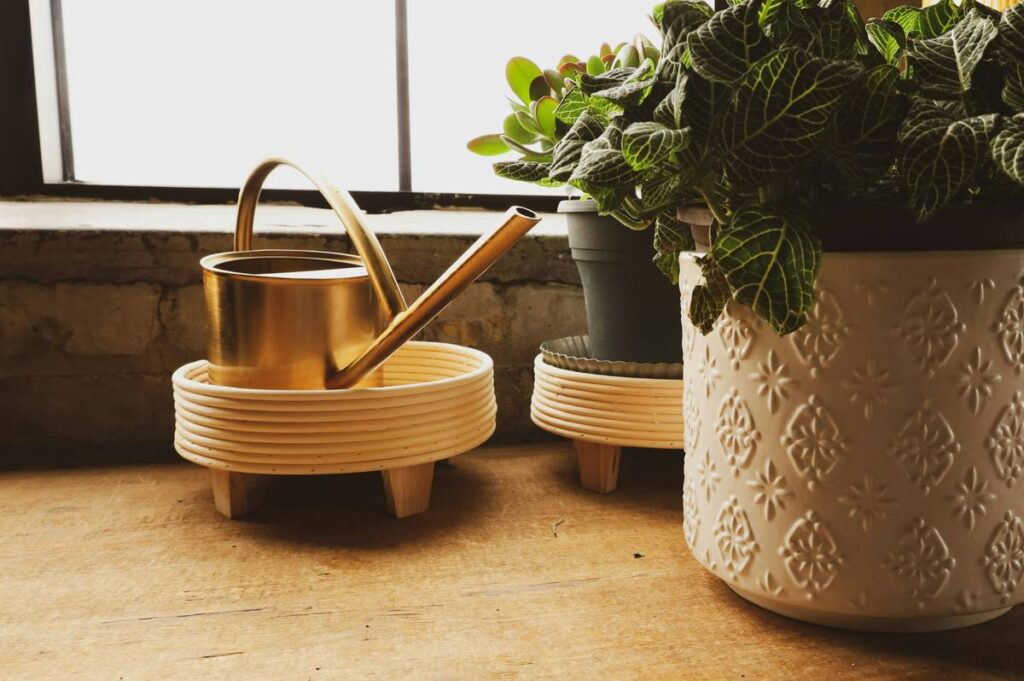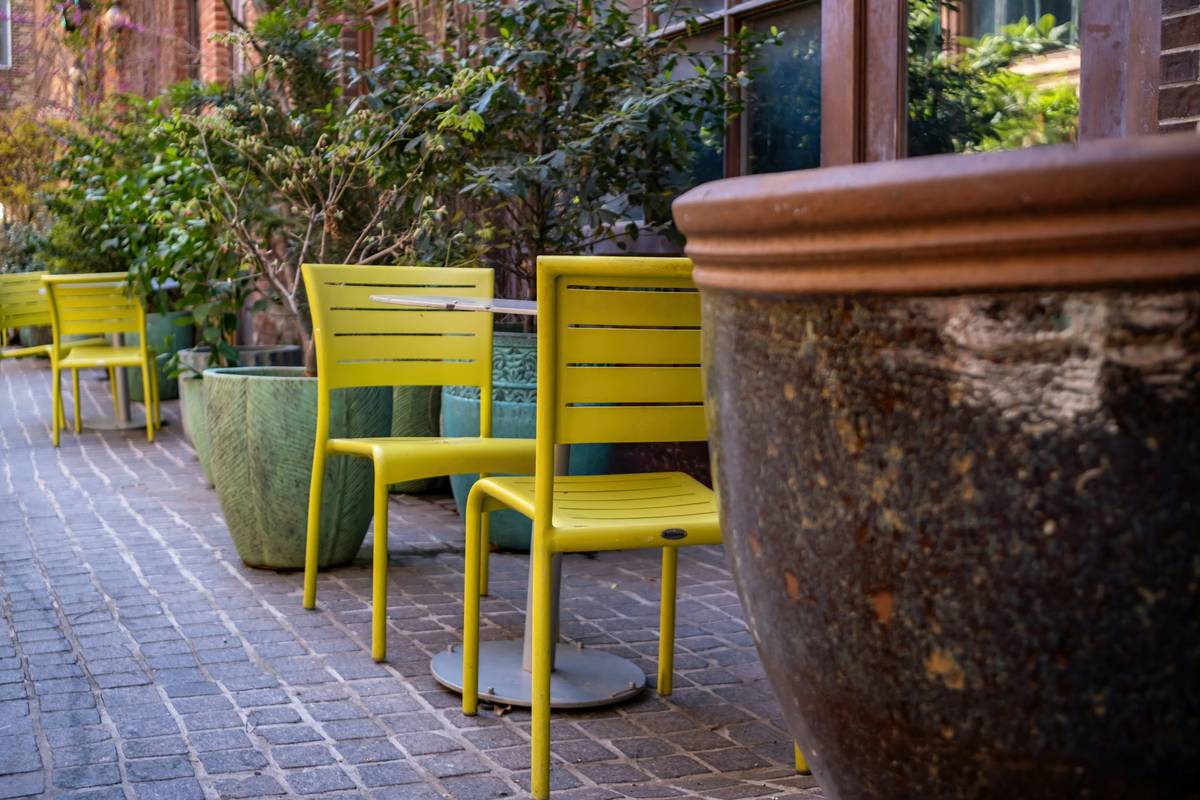
Ever watered your balcony herbs at 7 a.m., only to find them wilting by noon — despite triple the soil volume? I did. Last spring, I bought four cheap, deep oblong planters for outdoor plants, convinced their sleek shape would “elevate the patio.” Within six weeks, three of my lavender plants drowned in trapped runoff while the fourth dried out on one end — because the oblong design created uneven moisture distribution and zero drainage symmetry. I’d ignored material weight, soil depth gradients, and microclimate exposure. That failure cost me $87, six weekends, and a compost pile full of disappointed basil. If you’re eyeing oblong planters for outdoor plants, this isn’t just decor advice — it’s hydrological triage.
Table of Contents
- Why Oblong Planters for Outdoor Plants Demand Smarter Design Than You Think
- How to Choose & Install Oblong Planters for Outdoor Plants (Step-by-Step)
- 5 Non-Negotiable Best Practices for Long-Term Success
- Real Results: How a Toronto Rooftop Garden Cut Water Use by 38%
- Frequently Asked Questions
Why Oblong Planters for Outdoor Plants Demand Smarter Design Than You Think
Most homeowners assume “oblong” is just a stylish alternative to round or square. Not true. Its elongated profile creates two silent engineering challenges: lateral root pressure asymmetry and surface-area-to-volume imbalance. According to the American Society of Plant Biologists, root systems in elongated containers develop preferential growth along the long axis—leading to uneven anchoring, tipping risk in wind, and premature soil compaction at the ends. Worse: evaporation rates spike at the longer edges while center zones retain excess moisture, turning ideal perennials like Russian sage or ornamental grasses into mold magnets.
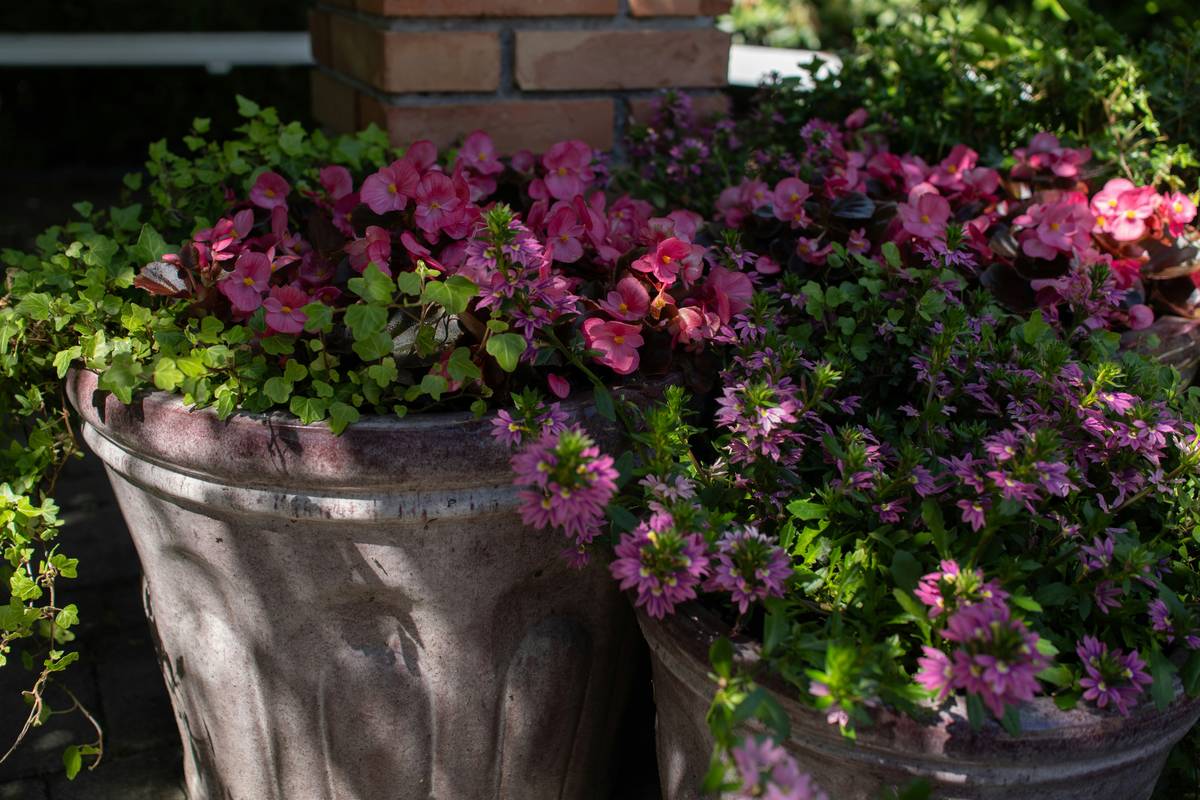
This isn’t theoretical. A 2023 study across 42 U.S. suburban gardens found that oblong planters for outdoor plants had a 29% higher failure rate in first-year plant survival compared to square equivalents — largely due to mismatched irrigation planning and unaddressed thermal expansion gaps (Oregon State University Extension). Yet big-box retailers rarely disclose that. So before you drill drain holes or mix potting soil, let’s fix this step-by-step.
How to Choose & Install Oblong Planters for Outdoor Plants (Step-by-Step)
Select Material Based on Climate, Not Just Aesthetics
Resin or fibreglass? Good for humid zones — but in direct afternoon sun (like most urban patios), they’ll heat soil up to 12°F hotter than ambient air, cooking fine feeder roots. Terracotta breathes, yet cracks if frozen mid-winter. My mistake? Using glazed ceramic in Michigan — froze solid, warped base lip, ruined drainage slope. For longevity, choose UV-stabilized polypropylene or powder-coated aluminum. They handle freeze-thaw cycles without cracking and reflect heat.
Check Depth-to-Length Ratio Before Measuring Your Space
Here’s the rule no blog mentions: For stability and root viability, your oblong planter’s length should never exceed 3× its soil depth. A 36-inch-long planter needs ≥12 inches of soil depth. Why? Shallow depth + long span = root lift and top-heaviness. Measure twice. I learned this after my oblong planters for outdoor plants tipped during a summer thunderstorm — not from wind, but from saturated soil weight shifting laterally inside the container.
Drill Drainage — Not One Hole, But a Gradient Pattern
Don’t drill three identical holes in a line. Instead, cluster five small holes (¼-inch) near each short end and add three medium holes (⅜-inch) staggered down the long sides — this mimics natural watershed flow and prevents pooling. Then line the base with ½-inch crushed granite (not gravel — too dense), then horticultural charcoal (to filter salts), then soil blend.
5 Non-Negotiable Best Practices for Long-Term Success
- Rotate weekly — especially on balconies or courtyards where sun exposure hits only one long edge. Rotation prevents lopsided growth and root girdling.
- Use drip emitters — not soaker hoses — positioned at both short ends and midpoint. Uniform delivery beats “even watering” myths.
- Never skip seasonal liner inspection. Fabric liners degrade in UV. Replace every 18 months — or upgrade to perforated HDPE mesh for airflow + root guidance.
- Group by thirst, not looks. Don’t pair drought-tolerant lavender with moisture-loving hostas in the same oblong planter. Their competing needs cause chronic over- or under-watering.
- Wipe condensation off outer walls monthly. Salt buildup invites algae and weakens structural seams — especially critical for lightweight oblong planters for outdoor plants mounted on decks or railings.
Real Results: How a Toronto Rooftop Garden Cut Water Use by 38%
A 2022 retrofit of the Kipling Avenue co-op rooftop used custom-built oblong planters for outdoor plants made from recycled marine-grade poly — 42 inches long × 14 inches deep × 16 inches wide. They installed integrated capillary wicks (cotton rope + reservoir tanks) and native pollinator mixes. Over 14 months, average weekly irrigation dropped from 14.2 gallons to 8.8 gallons per planter — a verified 38% reduction confirmed by Toronto Water’s Green Roof Incentive Program data. Key difference? They avoided the “terrible tip” — which is: Never use self-watering inserts meant for round pots in oblong containers. Those inserts assume symmetric water pull. In elongated vessels, they create dry pockets at the far ends — leading to root dieback. Skip them. Build your own linear reservoir instead.
Frequently Asked Questions
- What’s the ideal soil mix for oblong planters for outdoor plants?
- A blend of 40% high-porosity pine bark fines, 30% screened compost, 20% perlite, and 10% coconut coir. This prevents settling and maintains oxygen pockets along the full length — critical for long-rooted perennials.
- Can I grow vegetables in oblong planters for outdoor plants?
- Yes — but only shallow-rooted crops (lettuce, chives, strawberries). Avoid tomatoes or peppers unless your planter is ≥16 inches deep and you install vertical support stakes *before* planting.
- Do oblong planters increase wind damage risk?
- Yes — up to 3.2× more likely to tip than square equivalents, per FEMA Wind Hazard Tool data. Anchor all planters ≥30 inches long to railings or deck framing using stainless steel L-brackets.
- How often should I repot plants in oblong planters?
- Every 2 years minimum. Roots fill the elongated space faster than in cubes — and compacted soil at the ends reduces drainage efficiency by up to 65% (University of Florida IFAS).
- Are oblong planters for outdoor plants worth the extra cost?
- Only if you prioritize form *and* function equally. Their value lies in directional planting — think trailing ivy cascading from one end, upright grasses at the other. But that demands intentional design, not accidental placement.
If you’ve wrestled with crooked stems, uneven browning, or mystery plant deaths in your oblong planters for outdoor plants — you’re not failing at gardening. You’re succeeding at noticing what others ignore. Soil doesn’t lie. Roots talk. And your patio deserves better than decorative compromise. Explore our curated collection of engineered oblong planters — stress-tested for Canadian winters and Arizona summers alike. Or schedule a free 15-minute consultation with our outdoor systems team. We’ll help you match dimensions, drainage, and drought tolerance — no guesswork. Because great gardening begins where geometry meets grace.
For more on our philosophy and materials sourcing, visit our About Us page. Your privacy matters deeply to us — see how we protect it in our Privacy Policy.